
Generate your own electricity, cut bills by up to 60%, and install a system built to perform for 25 years not just pass inspection on day one.
No obligation • Fixed pricing • Speak directly with an engineer
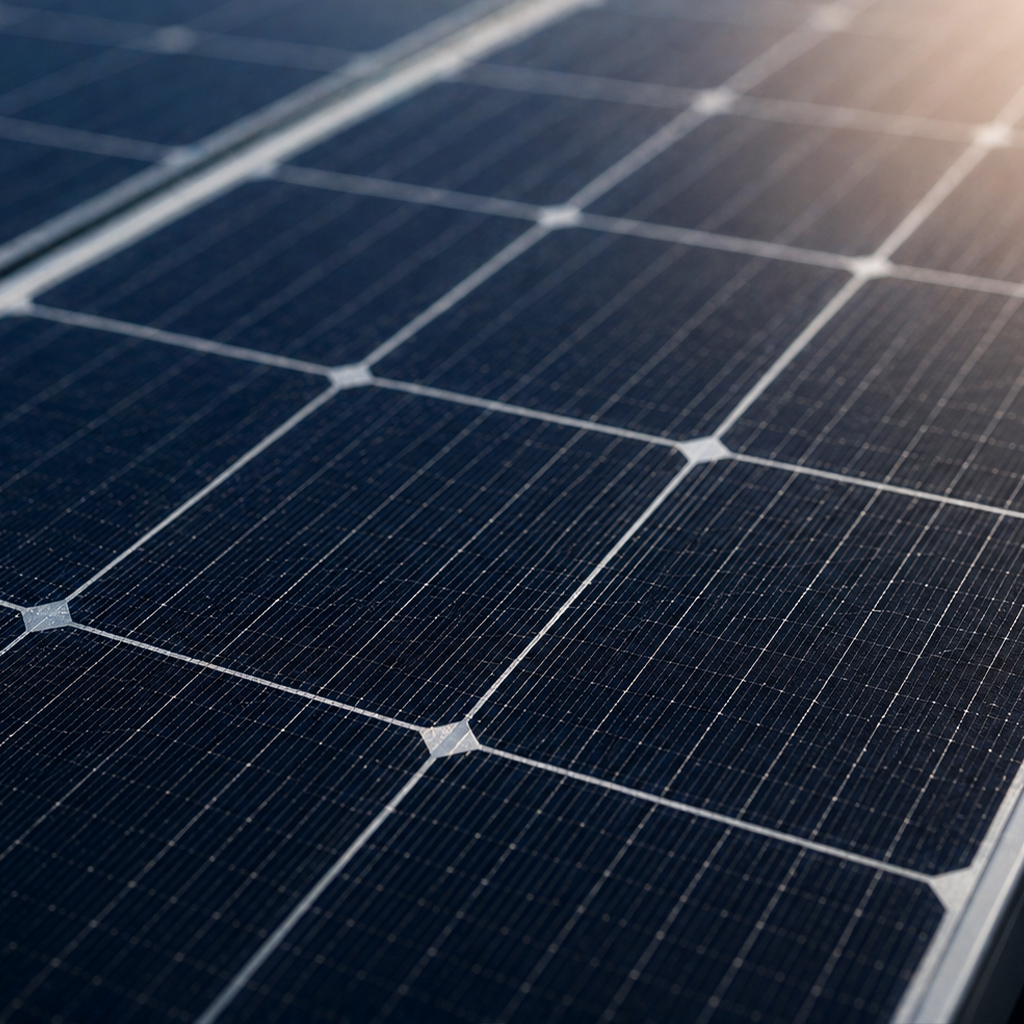
The case for solar in the UK has never been stronger — and it isn’t primarily about the environment.
UK electricity prices remain structurally elevated. Every unit you generate is a unit you’re no longer exposed to grid pricing.
A correctly specified system delivers a measurable return — reducing bills, generating SEG export income, and protecting against future tariff increases.
Generating your own power reduces reliance on wholesale energy markets and supplier decisions entirely outside your control.
A residential system offsets several tonnes of CO₂ annually. The numbers are real — but at AORO, not a substitute for a credible financial case.
Costs vary by system size, equipment specification, roof complexity, and battery storage. Realistic 2025 ranges:
| System Type | Approx. Cost |
|---|---|
| 3–4 kWp residential (no battery) | £0 – £0 |
| 4–6 kWp residential (no battery) | £0 – £0 |
| 4–6 kWp + battery storage | £0 – £0 |
| Commercial systems | Priced on survey |
Every system priced on your property, usage, and long-term return — not a generic package.
The UK solar market is fragmented. Most of what separates a good installation from a poor one is invisible at the point of sale — and only becomes apparent years later.
Every system specified by qualified engineers using site survey data, structural assessment, and real consumption analysis. Not a templated kW estimate.
Fixed, fully itemised quotes. No scaffolding surprises, no DNO fees added after signing. What you see is what you pay.
Tier 1 panels, leading-tier inverters, and battery storage selected for long-term yield and warranty strength. Never for margin.
MCS-certified, fully insured, compliant with UK electrical and building regulations. Complete documentation on handover.
Remote performance monitoring from day one, proactive fault detection, and direct access to the engineers who designed your system — not an outsourced support line.
On-site technical assessment of roof structure, shading, orientation, electrical infrastructure, and consumption data.
Accurate yield modelling, component specification, and a fully itemised fixed-price proposal.
In-house team only. MCS standards, full electrical certification and building regulations compliance.
Remote performance monitoring commissioned from day one — full visibility from the first day of operation.
Long-term aftercare, warranty management, and annual performance reviews.
Yes, for the right property with the right system. A correctly specified installation delivers measurable bill reductions, export income, and a payback period typically between 6–10 years against a 25+ year operational lifespan.
Quality Tier 1 panels carry 25-year performance warranties and routinely operate beyond that. Inverters typically require replacement after 10–15 years. A well-specified system has an operational lifespan of 30+ years with minimal maintenance.
Yes. Solar panels generate electricity from daylight, not heat. Output is lower in winter but systems continue to generate year-round. Annual yield modelling accounts for seasonal variation.
In most cases, no. Residential solar falls under Permitted Development Rights in England, Scotland, and Wales. Exceptions include listed buildings, conservation areas, and certain flat roof configurations. AORO confirms planning status at survey.
This depends on roof area, consumption profile, and budget. A typical UK home consuming 3,500 kWh/yr would typically need a 4–5 kWp system, requiring 8–12 panels. AORO sizes every system to the specific property.
The SEG requires licensed energy suppliers to pay you for surplus electricity exported to the grid. Rates currently range from approximately 4p to 15p per kWh. An SEG tariff adds ongoing income on top of direct bill savings.
In most cases, solar panels cover a significant proportion but not 100% of demand, particularly in winter. Battery storage substantially increases the percentage met by the system. A full energy audit at survey will clarify realistic self-sufficiency figures.
Standard grid-tied systems shut down during a power cut as a safety requirement. Systems with battery storage and an appropriate inverter configuration can be set up to provide backup power during outages — a design decision made at specification stage.
A single 400–450W panel occupies approximately 2m². A 4 kWp system requires around 20–22m² of suitable roof space. South, southeast, or southwest-facing roofs at 30–40° deliver optimal output.
Most standard UK residential roofs are structurally suitable. Solar panels typically add 10–15kg per m² of load. Older properties may require a structural assessment — AORO includes this in the survey process.
MCS-certified solar installations add measurable value to residential properties. An EPC rating improvement is a documented factor in property valuation and mortgage product eligibility.
Very little. Panels are largely self-cleaning in UK rainfall conditions. An annual inspection and occasional clean is advisable. Inverter performance should be monitored remotely — AORO provides ongoing monitoring for all systems it installs.
In many cases, yes, subject to inverter compatibility. AORO carries out a compatibility assessment before recommending any retrofit solution.
Panels: typically 25 years performance, 10–12 years product. Inverters: 5–12 years. Battery: 10 years typically. Plus AORO’s own workmanship warranty. All documentation provided at handover.
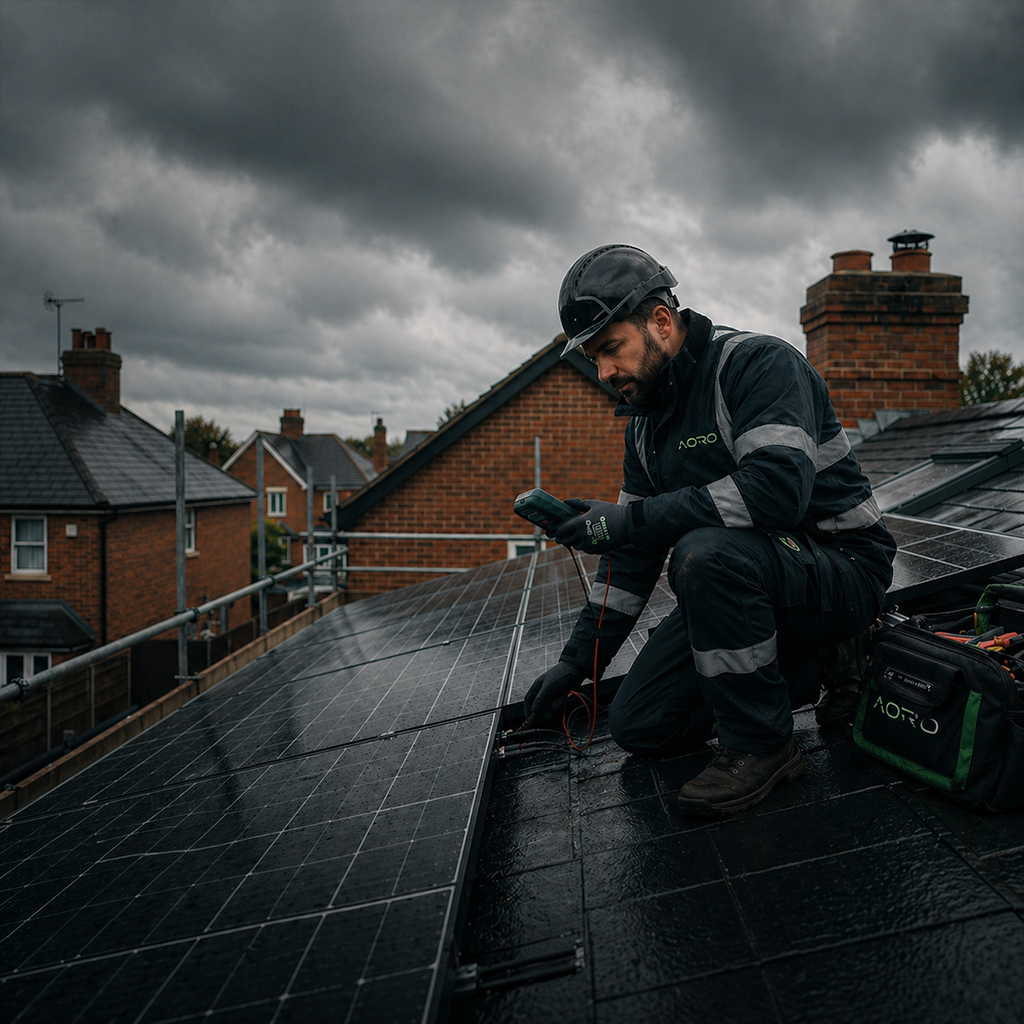

Secure your energy independence. Reduce grid reliance by up to 70%.